
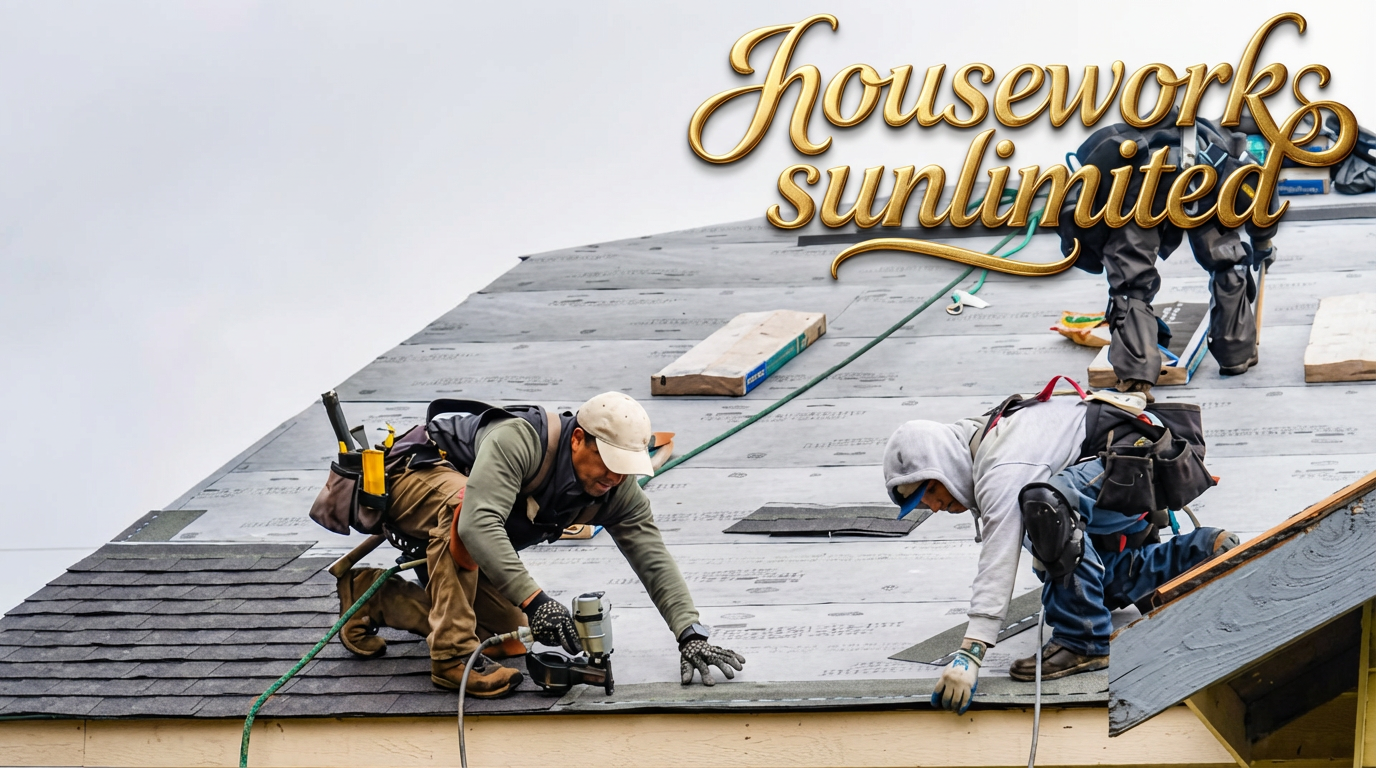
Replacing a roof is one of the most critical home improvement projects that significantly impacts the safety, aesthetics, and value of your property. However, a quality roof replacement requires more than just tearing off old shingles. Homeowners must carefully plan, select the right materials, follow professional installation processes, and manage costs effectively. In this guide, we provide a comprehensive roadmap for achieving a quality roof replacement, that lasts for decades.
Why Quality Roof Replacement Matters
A roof protects your home from harsh weather, prevents water damage, and contributes to energy efficiency. Neglecting a proper roof replacement can lead to leaks, structural damage, and high repair costs. Conversely, investing in quality materials and professional installation ensures:
- Enhanced durability: Roofs can last 20–50 years depending on materials.
- Energy efficiency: Modern roofing materials reduce heat loss in winter and heat gain in summer.
- Increased property value: A new roof improves curb appeal and resale value.
- Peace of mind: Eliminates frequent repairs and maintenance.
Moreover, selecting the right replacement plan reduces long-term costs and avoids emergency repairs.
Materials Required for Quality Roof Replacement
Choosing high-quality roofing materials is essential. Below is a table of common materials along with their purpose:
| Material | Purpose / Function | Recommended Use |
|---|---|---|
| Asphalt Shingles | Water resistance & aesthetic appeal | Most residential homes |
| Metal Panels | Durability & fire resistance | Long-term investment |
| Underlayment (Felt or Synthetic) | Moisture barrier | All roofing types |
| Flashing (Aluminum or Copper) | Seal roof joints and edges | Around chimneys, valleys, and vents |
| Ridge Caps | Protect roof peaks from water | All roofs |
| Nails & Fasteners | Secure shingles and panels | Compatible with chosen material |
| Sealants & Adhesives | Prevent leaks in joints | Around vents and edges |
| Gutters & Drip Edge | Direct water away from foundation | Optional but recommended |
Tip: Invest in premium materials, even if initial costs are higher; they ensure longevity and fewer repairs. Roof replacement cost.
Step-by-Step Process for Roof Replacement
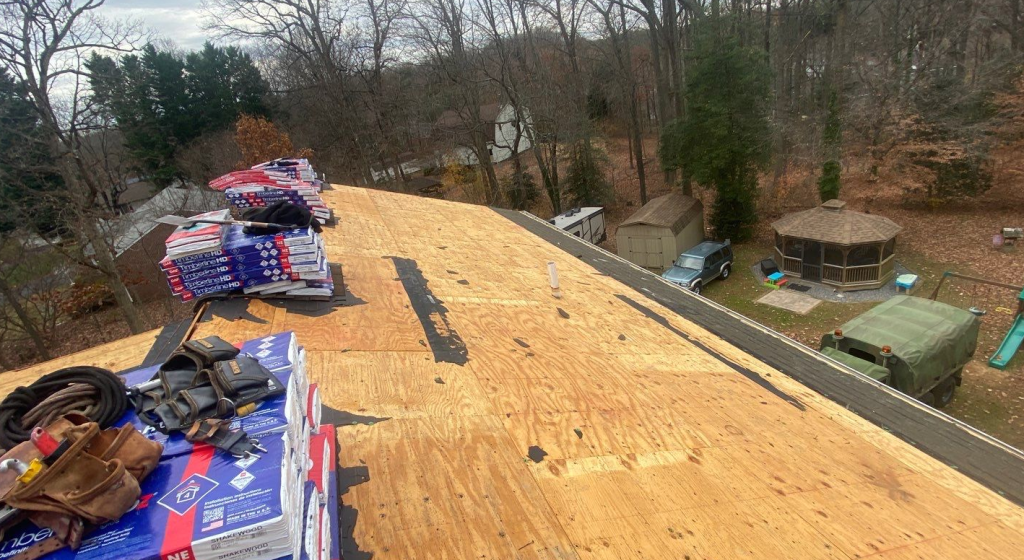
Replacing a roof involves multiple steps. A structured workflow prevents mistakes, reduces delays, and ensures a high-quality finish.
Inspection & Measurement
- Inspect the current roof condition.
- Measure square footage and determine slope.
Material Selection & Procurement
- Choose appropriate materials from the table above.
- Order slightly more material than required (5–10% extra).
Removing Old Roofing
- Safely tear off old shingles and underlayment.
- Inspect roof deck for rot or damage; repair if necessary.
Installation of Underlayment & Flashing
- Lay moisture barrier evenly.
- Install flashing around joints, chimneys, and edges.
Roof Material Installation
- Place shingles or metal panels starting from the bottom.
- Overlap according to manufacturer’s guidelines.
- Secure ridge caps at the peak.
Final Inspection & Clean-Up
- Check for missing nails or exposed edges.
- Clean debris and ensure gutters are clear.
Diagram: Roof Replacement Workflow
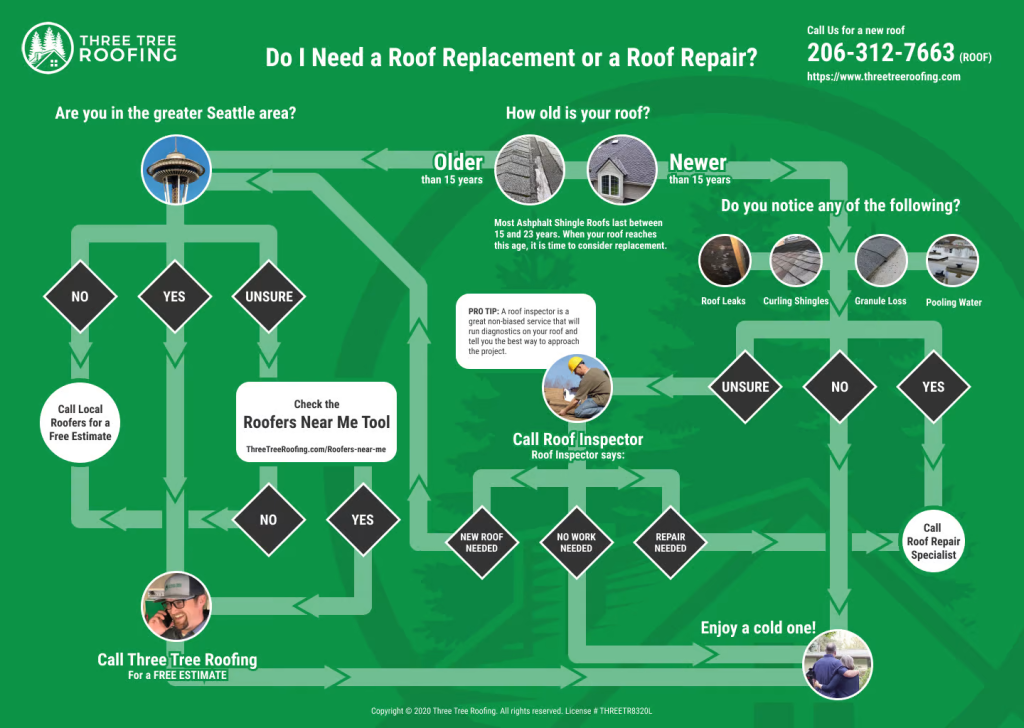
flowchart TD
A[Inspection & Measurement] –> B[Material Selection & Procurement]
B –> C[Remove Old Roof]
C –> D[Install Underlayment & Flashing]
D –> E[Install Roof Material]
E –> F[Final Inspection & Clean-Up]
F –> G[Quality Assurance & Warranty]
Estimated Costs & Expected Results
Understanding cost distribution helps homeowners budget effectively. Costs vary based on material, labor, and roof size.
| Component | Estimated Cost (USD) | Expected Outcome |
|---|---|---|
| Asphalt Shingles | $3,500 – $6,000 | Durable, moderate lifespan (20–25 years) |
| Metal Roofing | $8,000 – $15,000 | Long-lasting, fire-resistant, 40–50 years |
| Underlayment & Flashing | $500 – $1,200 | Waterproofing & leak prevention |
| Labor | $2,500 – $5,000 | Professional installation, adherence to safety |
| Miscellaneous (Sealants, Gutters, Nails) | $300 – $700 | Ensures complete, leak-free installation |
Result: After proper installation, homeowners can expect a weather-resistant, energy-efficient, and aesthetically appealing roof that protects the home for decades.
Tips for Achieving a Quality Roof Replacement
- Hire certified professionals: Experience reduces installation errors.
- Use high-quality fasteners: Prevent wind damage and water infiltration.
- Inspect ventilation: Proper attic ventilation prevents mold and heat damage.
- Schedule seasonal installation: Avoid extreme heat or rain.
- Check warranty coverage: Opt for manufacturer warranties and labor guarantees.
Furthermore, maintaining a regular inspection schedule after replacement prolongs roof life and maintains property value.
Conclusion
Investing in a quality roof replacement requires careful planning, the right materials, and expert installation. Homeowners who follow a structured workflow, utilize durable materials, and allocate proper budgets can enjoy decades of protection and improved property value. Moreover, incorporating professional guidance and quality assurance ensures that your roof withstands harsh weather while enhancing your home’s aesthetic appeal. Roof installation tips.

Leave a Reply