
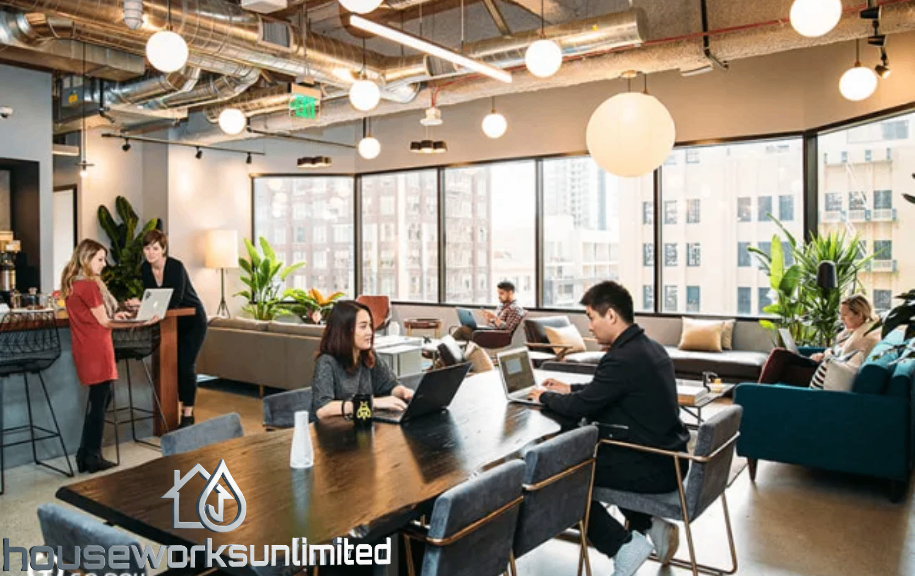
In today’s fast-paced corporate world, office renovation has become more than a mere aesthetic upgrade it is a strategic investment. Companies across the United States are realizing that a well-designed workspace can significantly boost productivity, employee satisfaction, and brand image. From small startups in Silicon Valley to multinational corporations in New York, office renovations are redefining how businesses approach work environments.
Understanding Employee Needs
The first step in a successful office renovation is understanding the evolving needs of employees. Modern workspaces prioritize flexibility, comfort, and collaboration. Open floor plans, multifunctional meeting rooms, and quiet zones are becoming standard features. For instance, tech companies often integrate collaborative hubs where employees can brainstorm freely, while financial firms emphasize private areas for focused work. Transitioning from traditional cubicles to adaptable workstations is no longer optional it’s essential for companies aiming to stay competitive.
Modern Office Features
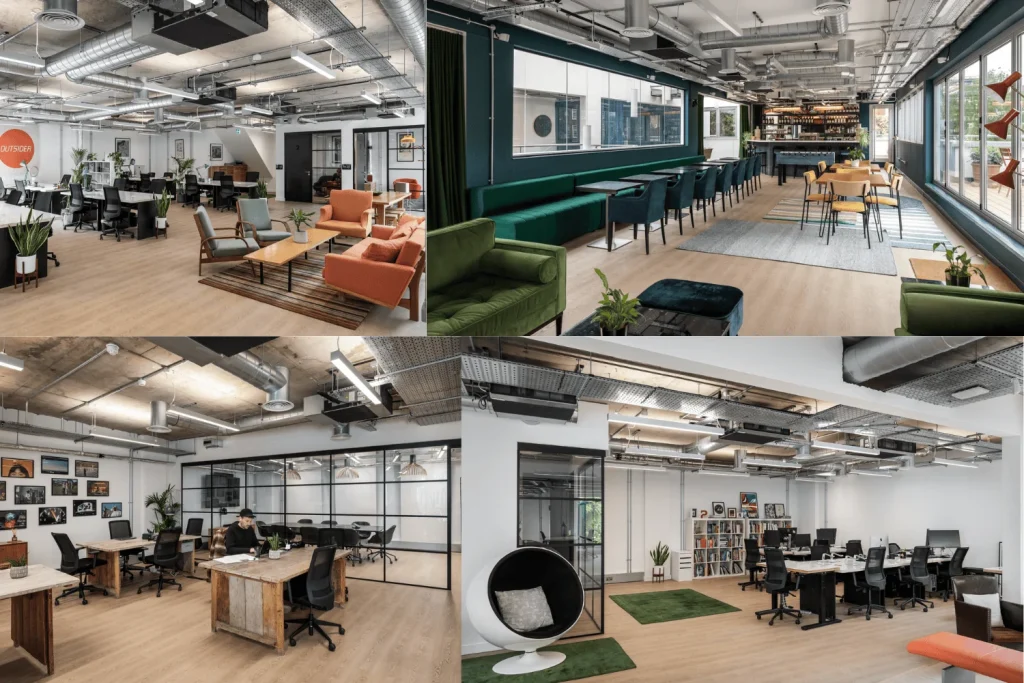
Modern office renovations, in the USA focus on creating dynamic and adaptable environments. Below is a summary of the most common features integrated into renovated workspaces:
| Feature | Purpose | Benefit to Employees |
| Open Floor Plans | Encourage collaboration | Fosters teamwork and creativity |
| Flexible Workstations | Adaptable spaces for individual or team work | Improves comfort and efficiency |
| Quiet Zones | Private areas for focused work | Enhances concentration and productivity |
| Collaborative Hubs | Brainstorming and group discussions | Stimulates innovation |
| Green Spaces | Indoor plants or outdoor terraces | Reduces stress and improves well-being |
| Smart Technology Integration | IoT devices, automated lighting, and climate control | Streamlines operations and supports hybrid work |
Sustainability and Eco-Friendly Design
Sustainability has emerged as a critical factor in office renovations. Businesses in the USA increasingly incorporate eco-friendly materials, energy-efficient lighting, and advanced HVAC systems to reduce environmental impact. Not only does this align with corporate social responsibility goals, but it also creates healthier work environments. Studies show that natural light, improved air quality, and green spaces enhance employee well-being and productivity. Consequently, sustainable office renovations have become a win-win for companies and their workforce.
Technology Integration
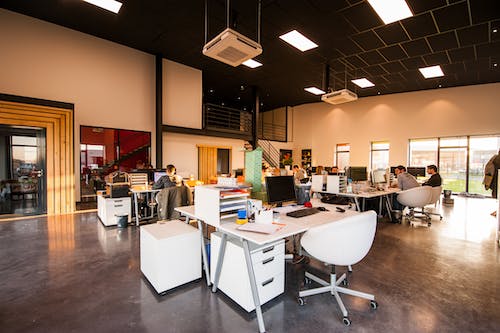
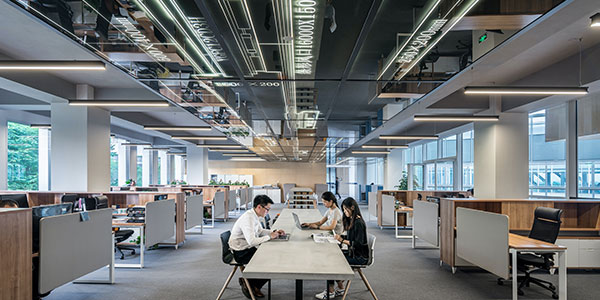
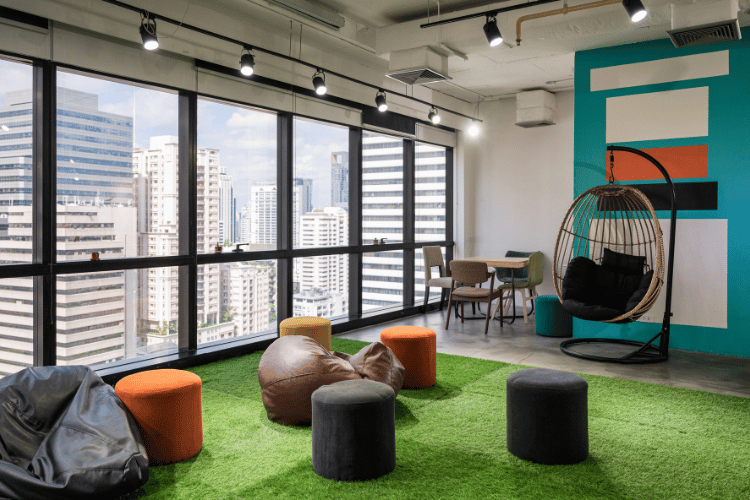
Technology integration is another hallmark of contemporary office renovation. Smart offices, equipped with IoT devices, automated lighting, and cloud-based collaboration tools, are transforming traditional workplaces into efficient, connected environments. Employees can seamlessly book meeting rooms, adjust lighting, or control climate settings, all through digital platforms. Such innovations streamline operations, minimize downtime, and support remote or hybrid work models, which are increasingly prevalent across American businesses.
Aesthetics and Employee Engagement
The design aesthetics of office spaces play a pivotal role in employee mood and engagement. Key elements include:
- Color Psychology:
- Vibrant accents stimulate creativity.
- Calm tones support focus and concentration.
- Furniture Ergonomics:
- Comfortable and adjustable seating improves posture and productivity.
- Flexible furniture arrangements allow adaptation to various work styles.
- Interior Layout:
- Open communal areas encourage collaboration and idea-sharing.
- Private corners or quiet zones foster individual focus and deep work.
- Brand Perception:
- Aesthetically pleasing spaces leave a positive impression on clients.
- Well-designed offices help attract and retain top talent.
- Balanced Approach:
- Office renovation projects aim to combine creativity, focus, and comfort.
- Workspaces are designed to cater to diverse employee needs and work styles.
Budget Planning and Execution
Budget planning and phased execution are key to successful office renovations. Many organizations adopt a structured approach to manage costs, timelines, and minimize disruptions:
| Phase/Focus Area | Description | Benefits |
|---|---|---|
| Cost Evaluation | Assess total renovation expenses, including materials and labor | Prevents overspending and ensures realistic budgeting |
| Timeline Planning | Establish a clear schedule for each phase | Reduces project delays and keeps work on track |
| High-Impact Areas | Renovate reception zones, collaboration spaces, or executive offices first | Immediate visual improvement with minimal disruption |
| Incremental Updates | Implement changes gradually across the office | Allows employees to adapt smoothly to new layouts |
| Technology Integration | Phase in smart devices, lighting, and climate control systems | Enhances productivity without halting operations |
| Post-Renovation Review | Assess completed areas and employee feedback | Identifies improvements and validates ROI |
Conclusion
Ultimately, office renovation in the USA, reflects a shift in corporate culture—from rigid, utilitarian workplaces to dynamic, human-centric environments. Companies that invest in thoughtful design, sustainable solutions, and smart technologies reap long-term benefits. Improved productivity, employee satisfaction, and brand image are just the beginning; a well-renovated office becomes a symbol of innovation and growth.
By prioritizing flexibility, sustainability, technology, and aesthetics, businesses are not only enhancing functionality but also creating spaces that inspire. For companies ready to embrace change, office renovation is not merely a project—it is a transformative journey toward a more vibrant, efficient, and engaging work environment.

Leave a Reply