
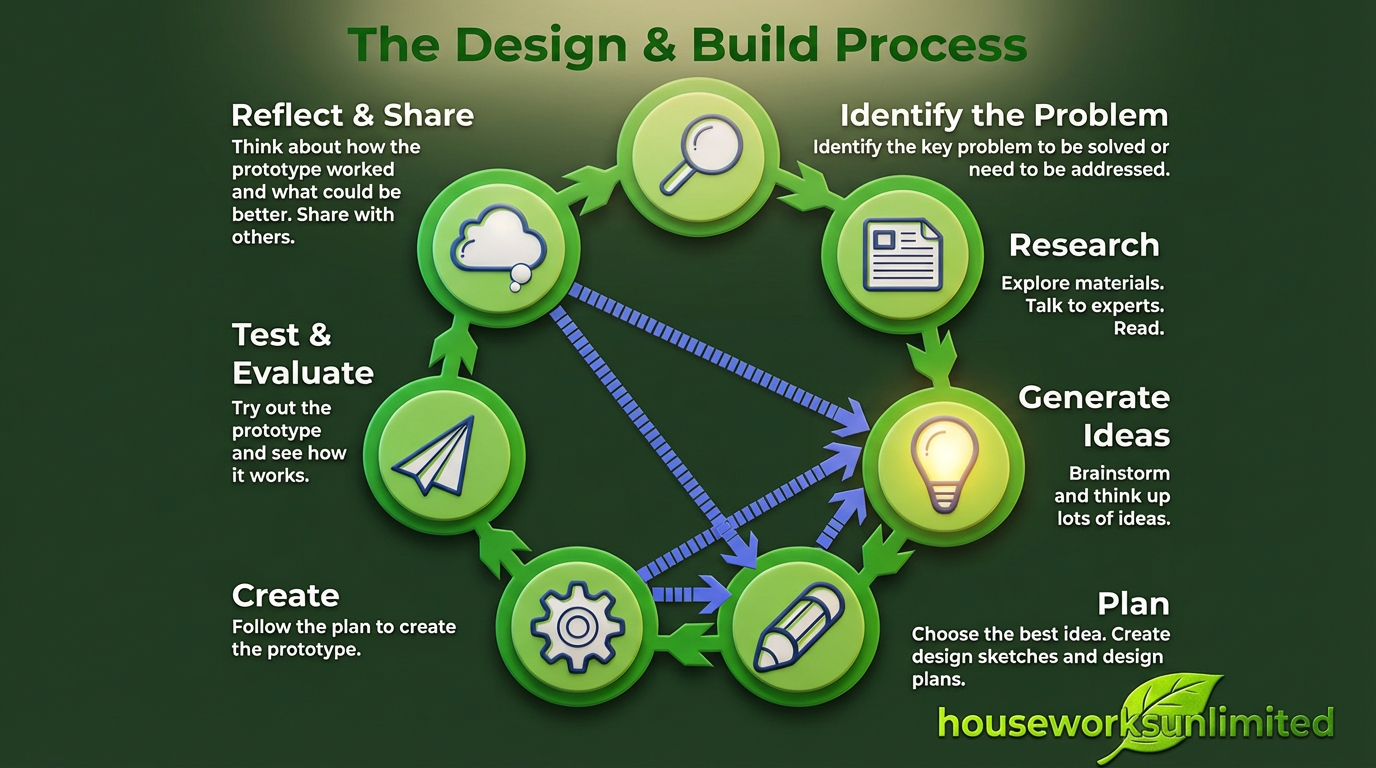
The design-build process, has revolutionized the construction industry by simplifying project delivery and improving collaboration between designers and builders. Unlike the traditional design-bid-build approach, design-build combines both design and construction services under a single contract. Consequently, clients enjoy streamlined communication, faster timelines, and more predictable costs.
What Is the Design-Build Process?
At its core, the design-build process integrates architectural design and construction into one cohesive workflow. Instead of separately hiring an architect and a contractor, clients work with a single design-build team that handles both aspects from start to finish. As a result, this approach fosters better coordination, reduces errors, and ensures that design concepts align seamlessly with construction feasibility.
Moreover, the design-build method allows for early cost estimating, which helps clients stay within budget while maintaining high-quality standards. With design and construction experts collaborating from the beginning, the risk of unforeseen expenses significantly decreases.
Key Phases of the Design-Build Process
The design-build process typically follows several essential phases:
- Project Planning and Programming: In this initial phase, the client shares goals, requirements, and budget constraints. The design-build team evaluates feasibility, identifies potential challenges, and proposes preliminary solutions.
- Schematic Design and Design Development: Designers create initial sketches, 3D models, or renderings to visualize the project. During this stage, the team focuses on aesthetics, functionality, and compliance with local building codes.
- Construction Documentation and Permitting: Once the design receives approval, the team develops detailed construction documents and secures necessary permits. Clear documentation ensures smoother execution and fewer delays.
- Construction and Implementation: Builders take over to construct the project according to the approved design. Throughout this phase, constant communication between designers, contractors, and the client keeps the project on track.
- Project Closeout and Delivery: The team performs final inspections, addresses punch list items, and delivers the completed project to the client. Feedback is collected to ensure satisfaction and maintain quality standards for future projects.
Advantages of the Design-Build Process
The design-build method offers numerous benefits compared to traditional approaches:
- Faster Project Completion: With design and construction integrated, teams can overlap phases and reduce delays.
- Cost Efficiency: Early collaboration allows accurate budgeting and fewer unexpected expenses.
- Single Point of Responsibility: Clients communicate with one team, minimizing misunderstandings and accountability issues.
- Enhanced Collaboration: Designers and builders work together from the outset, resulting in higher-quality outcomes and innovative solutions.
- Flexibility in Design: Adjustments can occur during construction without costly disputes or redesigns.
Why Consider Design-Build for Your Project?
Clients seeking a stress-free and efficient construction experience often prefer design-build. Whether it’s a residential, commercial, or industrial project, this approach promotes transparency, accelerates timelines, and improves overall satisfaction. Additionally, design-build teams often leverage technology such as BIM (Building Information Modeling) to optimize project planning and execution. Design-Build Construction.

Leave a Reply