
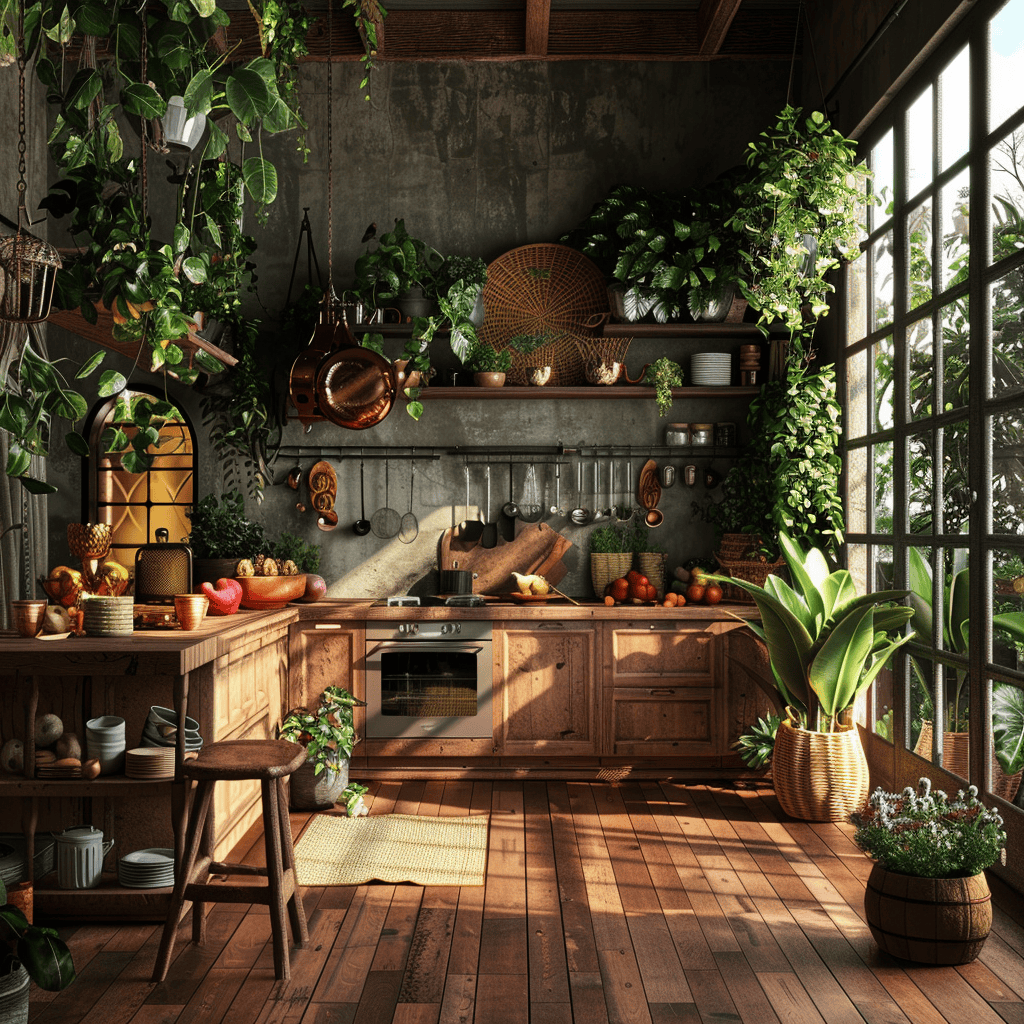
Kitchen earth tones, continue to dominate interior design trends as homeowners seek warmth, balance, and natural elegance. Instead of relying on stark whites or ultra-modern monochrome palettes, many designers now embrace earthy colors that create comfort and visual harmony. From soft beige and warm taupe to deep olive and terracotta, earth tones transform kitchens into inviting, grounded spaces that feel both stylish and timeless.
Why Earth Tone Kitchens Feel So Inviting
Earth tones draw inspiration directly from nature. Designers use shades such as clay, sand, stone, moss, and wood to establish a soothing atmosphere. These colors reduce visual stress and promote a sense of calm, which makes the kitchen feel more welcoming for cooking, gathering, and entertaining.
Moreover, earth tones adapt easily to various interior styles. Whether you prefer modern minimalist, rustic farmhouse, Mediterranean, or contemporary luxury, this palette blends seamlessly. As a result, homeowners gain flexibility without sacrificing character.
Popular Earth Tone Colors for Kitchens
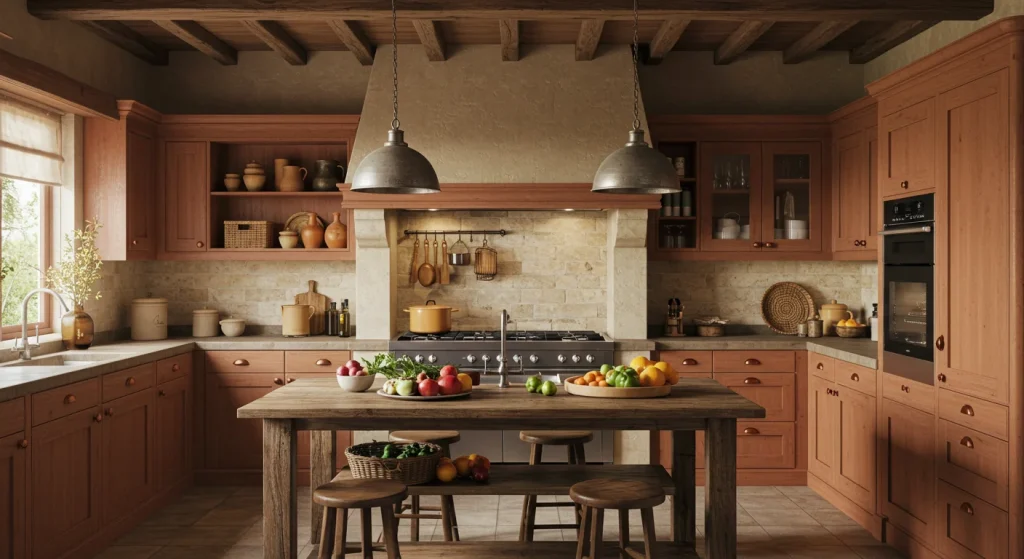
When designing a kitchen with earth tones, color selection plays a crucial role. Warm beige cabinets create a soft foundation, while taupe walls add subtle depth. Olive green introduces organic freshness, and terracotta accents deliver warmth and personality. Meanwhile, chocolate brown and walnut wood finishes anchor the space with richness and stability. Earth tone kitchen design.
Additionally, natural stone countertops such as quartzite or granite complement earth tone cabinetry beautifully. Their organic textures enhance the overall aesthetic and reinforce the connection to nature.
Materials That Elevate Earth Tone Kitchens
Color alone does not define an earth tone kitchen. Materials bring the concept to life. For instance, wooden cabinetry with visible grain patterns adds authenticity and warmth. Matte finishes enhance the natural feel, while brushed brass or bronze hardware introduces understated elegance.
Furthermore, incorporating natural textures such as linen bar stools, woven pendant lights, or clay decorative pieces strengthens the cohesive design. These elements work together to create depth and dimension without overwhelming the space.
Lighting and Contrast for Balance
Although earth tones provide warmth, designers must balance them carefully. Too many dark shades can make a kitchen feel heavy. Therefore, strategic lighting plays a key role. Large windows allow natural sunlight to highlight textures and prevent dullness. Layered lighting combining ceiling lights, under-cabinet illumination, and pendant fixtures—adds brightness and functionality.
To maintain visual interest, designers often introduce subtle contrast. For example, pairing light beige cabinetry with a darker stone island creates definition. Similarly, black fixtures or charcoal accents sharpen the look without disrupting the earthy theme.
Long-Term Appeal and Value
Beyond aesthetics, kitchen earth tones offer long-term design value. Unlike bold color trends that fade quickly, natural shades remain relevant year after year. Buyers often perceive earth tone kitchens as sophisticated and move-in ready, which can enhance property appeal. Natural color kitchen palette.
Ultimately, a kitchen designed with earth tones delivers more than visual beauty. It fosters warmth, encourages connection, and reflects a balanced lifestyle inspired by nature. By combining organic colors, natural materials, and thoughtful lighting, homeowners can create a culinary space that feels timeless, elegant, and effortlessly welcoming.

Leave a Reply