
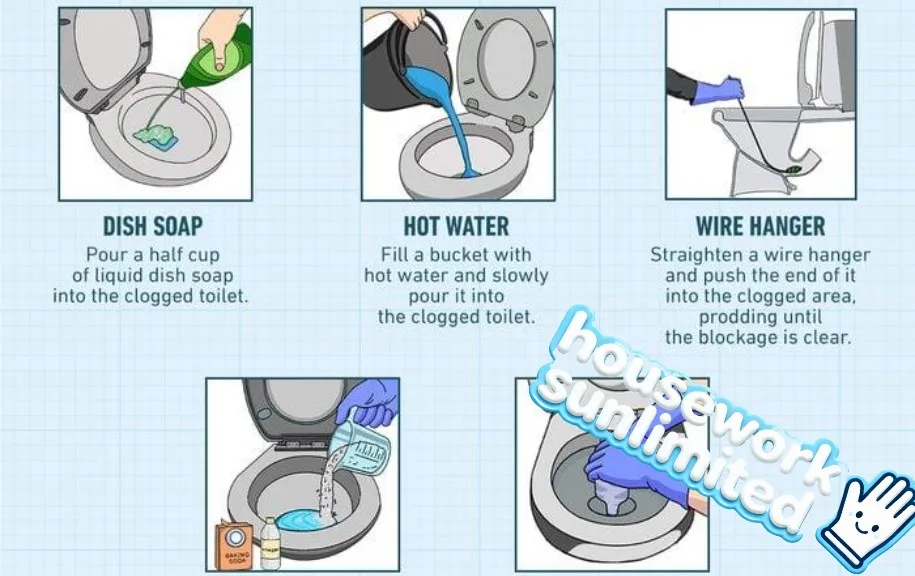
A clogged toilet disrupts comfort, creates unpleasant odors, and leads to unnecessary repair costs. Fortunately, you can prevent this problem with the right habits and consistent maintenance. Instead of waiting for blockage to happen, take proactive steps to keep your toilet flowing smoothly every day. Below are practical and effective strategies to ensure your toilet does not get clogged, even with frequent and long-term use. prevent toilet clogging.
Use the Toilet Only for Its Proper Purpose
First and foremost, use the toilet strictly for human waste and toilet paper that dissolves easily in water. Avoid flushing sanitary pads, wet wipes, cotton, tissues, diapers, food scraps, cigarette butts, or any other solid waste. These materials do not break down quickly and can block the drainage pipe over time.
In addition, keep oil and grease away from the toilet. Fatty substances stick to pipe walls and gradually narrow the passage, which increases the risk of serious clogs. By controlling what goes into the toilet, you significantly reduce blockage problems.
Flush with Sufficient Water
Next, make sure you flush properly every time. If you use a modern flush system, press the button fully and allow the water cycle to complete. Do not interrupt the flush halfway. For manual toilets, pour enough water to push waste completely into the drainage line.
Strong water pressure plays an essential role in preventing clogs. Therefore, check the water tank regularly to ensure it fills correctly. When water flow weakens, fix the issue immediately before it causes recurring blockage.
Limit the Use of Toilet Paper
Although toilet paper dissolves in water, excessive use can still create clumps inside the pipes. Instead of using large amounts at once, use a moderate amount and flush more than once if necessary. This simple habit keeps the waste flow smooth and prevents unnecessary pressure on the plumbing system.
By practicing mindful usage, you maintain long-term toilet performance without risking frequent clogs.
Clean the Toilet and Pipes Regularly
Routine cleaning supports smooth drainage. Clean the toilet bowl at least once a week using a proper toilet cleaner. Focus not only on surface stains but also on areas where buildup may occur.
Furthermore, pour warm water into the toilet periodically to help dissolve minor grease or residue inside the pipes. Avoid boiling water, as extreme heat may damage porcelain or pipe connections. Consistent cleaning reduces buildup and protects your plumbing system over time.
Provide a Trash Bin in the Bathroom
Place a small trash bin inside the bathroom to encourage proper waste disposal. When people have access to a trash container, they avoid flushing inappropriate items. This step becomes especially important in households with many family members or in public restrooms with frequent users. how to prevent a toilet from getting clogged.
Clear guidance and proper facilities support responsible toilet use and prevent future plumbing problems.
Perform Regular Plumbing Inspections
Finally, inspect your plumbing system regularly. Use a plunger immediately when you notice slow drainage to prevent a complete blockage. If the problem repeats, contact a professional plumber to examine the pipes thoroughly.
Early detection prevents bigger damage and costly repairs. By staying attentive, you maintain a clean, functional, and clog-free toilet for years.
Conclusion
Preventing a toilet from getting clogged does not require complicated solutions. Instead, it demands consistent habits, proper usage, and routine maintenance. When you control what you flush, use enough water, clean regularly, and inspect the plumbing system, you ensure long-lasting performance. Start applying these strategies today and enjoy a reliable, clog-free toilet every day. toilet maintenance tips.

Leave a Reply