
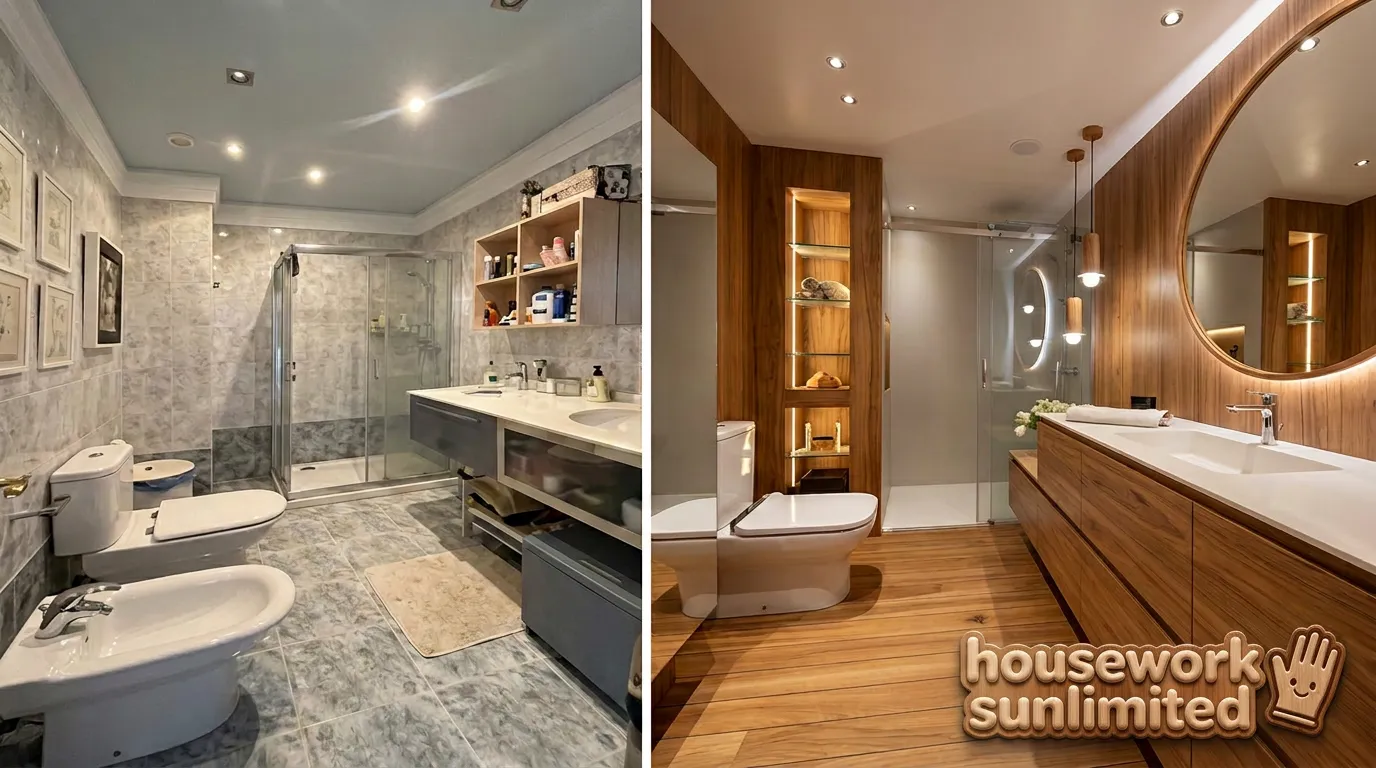
Bathroom renovations, embrace creativity with the rise of eco-friendly, cement-free materials. This approach focuses on aesthetics, sustainability, comfort, and harmony with nature. If you want a bathroom that feels natural, warm, and unique, using organic materials offers a fresh and innovative solution.
Alternative Materials for Cement-Free Bathrooms
Choosing water-resistant yet natural materials remains a top priority in cement-free bathroom design. Popular options include natural stone, treated wood, bamboo, and silica sand. Natural stones like marble, granite, or river rocks work perfectly without cement, using interlocking systems or eco-friendly adhesives.
Treated wood adds warmth and comfort, making floors and walls feel inviting. Bamboo gains popularity as a lightweight, strong, and sustainable material with natural beauty.
Installation Techniques Without Cement
Maintain a natural bathroom using eco-friendly adhesives, interlocking systems, and natural mortars. Apply water-based epoxy or clay-based mortars mixed with natural fibers to secure stones.
For flooring, compacted silica sand provides a solid base, paired with stone or wood for extra texture. This method reduces cement usage and allows water to flow naturally, minimizing puddles and improving drainage.
Bringing Nature into Bathroom Design
Natural design extends beyond materials to include layout and decor. Add indoor plants, natural lighting, and water elements to create a relaxing atmosphere. Place a mini green wall with moisture-tolerant plants in a corner, and maximize sunlight from windows or skylights to enhance warmth.
Choose natural colors like cream, earthy browns, leafy greens, and stone grays to create a harmonious, calming environment. Incorporate showers with gentle, flowing water or stone bathtubs for a spa-like experience at home.
Benefits of Cement-Free, Natural Bathrooms
Using natural materials without cement offers key advantages. First, it promotes environmental sustainability, reducing the carbon footprint of cement production. Second, it provides design flexibility, allowing stones or wood to be rearranged or replaced easily. Third, it creates unique aesthetics, as every piece of stone or wood carries distinct natural patterns.
Natural bathrooms also require minimal maintenance and provide better ventilation. Water absorbs or drains naturally, lowering the risk of mold and mildew compared to conventional bathrooms.
Conclusion
Natural Bathroom Renovation Without Cement, with natural materials represents both an aesthetic trend and a smart, sustainable choice. Using stones, treated wood, bamboo, and silica sand with eco-friendly installation methods creates a warm, unique, and healthy space. Combine greenery, natural light, and organic textures to design a bathroom that feels beautiful, serene, and fully in harmony with nature.

Leave a Reply