
What Is the Design-Build Process in Cement Manufacturing?
The Design-Build Process in cement, production integrates engineering design and plant construction into one continuous workflow. Instead of separating planning and execution, a single team handles the entire process—from concept development to plant commissioning. This approach streamlines coordination, reduces delays, and ensures that every stage aligns with production goals.
Raw Material Planning and Preparation
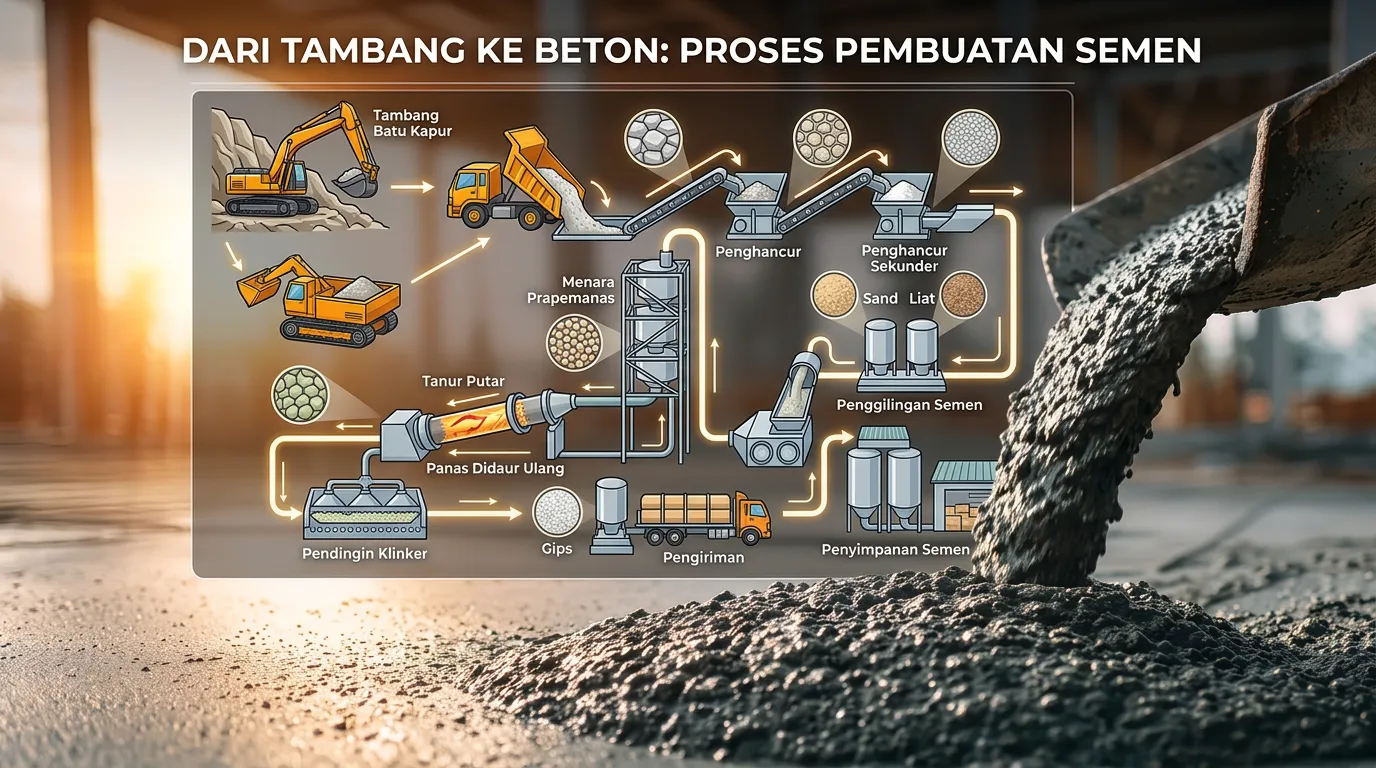
Cement production begins with careful planning of raw materials such as limestone, clay, and gypsum. The design-build team analyzes material quality and determines the best extraction and processing methods. At the same time, engineers design crushing systems and storage facilities. By aligning design with operational needs, the team ensures a steady and efficient material supply.
Integrated Plant Design and Construction
In the next phase, the team designs and constructs the cement plant simultaneously. Engineers develop layouts for crushers, raw mills, kilns, and grinding units, while construction teams begin building the infrastructure. This parallel workflow accelerates project timelines. Moreover, it allows quick adjustments when engineers identify improvements during construction.
Efficient Kiln and Production System Setup
The kiln serves as the core of cement production. The design-build team focuses on optimizing kiln efficiency, fuel consumption, and temperature control. By integrating design insights with real-time construction feedback, the team installs systems that maximize output and reduce energy waste. Consequently, the plant operates more efficiently from day one.
Quality Control and Process Optimization
The Design-Build Process also strengthens quality control. Teams implement monitoring systems during the design phase and install them during construction. These systems track material composition, temperature, and production consistency. As a result, manufacturers maintain high-quality cement standards while minimizing defects.
Cost Efficiency and Risk Reduction
This integrated approach improves cost control throughout the project. The team aligns design decisions with budget constraints and construction realities. In addition, clear responsibility reduces conflicts and unexpected expenses. When challenges arise, the team solves them quickly without disrupting the entire project.
Sustainability and Environmental Considerations
Modern cement plants must meet strict environmental standards. The design-build team incorporates eco-friendly technologies such as dust collection systems, waste heat recovery, and energy-efficient machinery. By addressing sustainability early in the design stage, the process reduces environmental impact and supports long-term operational efficiency.
Conclusion
The Design-Build Process in cement production offers a powerful solution for building efficient and high-performing plants. By integrating design and construction, it accelerates project delivery, improves cost control, and enhances product quality. With strong collaboration and advanced planning, this approach ensures that cement manufacturing facilities operate effectively and sustainably in today’s competitive industry.

Leave a Reply