
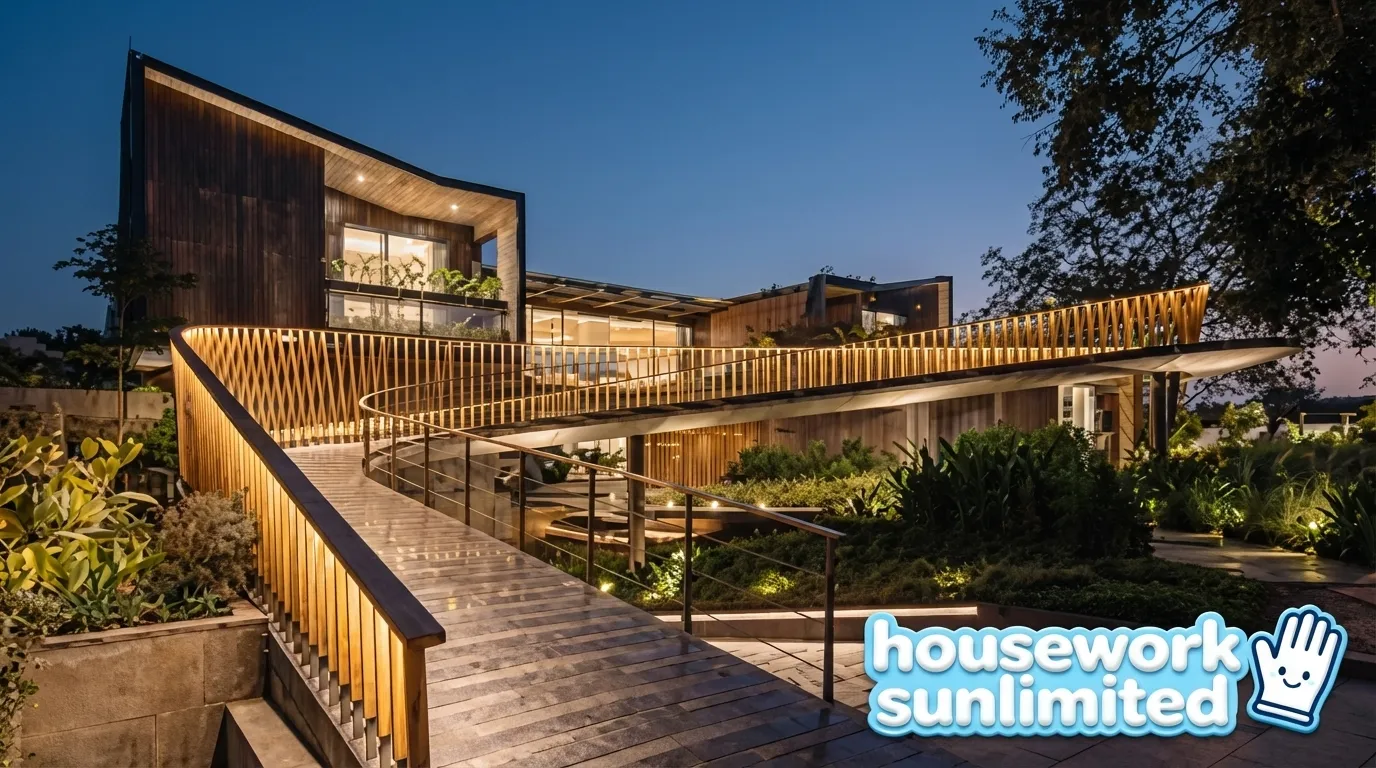
Introduction to Home Bridge Design
Home bridge design, offers a creative way to improve your house appearance. You can use a bridge to connect garden areas, cross over a pond, or decorate indoor spaces. This design adds character, structure, and elegance to your property. When you plan it properly, you can transform a simple space into a visually stunning environment.
Homeowners now choose bridge elements to increase aesthetic value and create a unique architectural statement. Therefore, thoughtful planning plays an important role in achieving the best result.
Benefits of Adding a Bridge at Home
A well-planned bridge design improves visual flow in your home. It guides the eye smoothly from one area to another. As a result, your space looks more organized and balanced.
In addition, a bridge creates depth and dimension. Flat landscapes often look ordinary, but a bridge adds layers and movement. This feature increases the overall beauty of your indoor or outdoor area.
Furthermore, a decorative bridge improves the focal point of your property. Guests immediately notice the structure, and it becomes a conversation starter. Because of that, many modern homeowners include bridge concepts in their landscape or interior design plans.
Best Locations for Home Bridge Installation
You can place a home bridge design in several strategic locations. For outdoor spaces, install the bridge over a small pond, artificial stream, or landscaped garden path. This placement improves accessibility and strengthens the natural theme.
For indoor spaces, design a decorative bridge above a hallway, open living room, or staircase area. This concept works well in modern and luxury homes. When you position it correctly, you create a dramatic and elegant atmosphere.
Always measure the space before you build the bridge. Proper measurements help you maintain balance and safety.
Choosing the Right Materials
Material selection determines the final appearance of your bridge design. Wood remains a popular choice because it delivers warmth and natural beauty. Wooden bridges match garden themes and traditional house styles.
Metal offers a modern and minimalist look. Steel structures provide strength and durability. Many contemporary homes use metal bridges to create an industrial aesthetic.
You can combine materials for better results. For example, you can use a steel frame with wooden flooring. This combination delivers both strength and visual appeal. Additionally, you can install glass panels to create a clean and elegant design.
Safety and Structural Strength
Safety must guide every home bridge design project. You should use high-quality materials and strong construction techniques. Reliable foundations prevent structural problems in the future.
Install railings for elevated bridges. Railings protect family members and guests. You should also add non-slip surfaces, especially for outdoor bridges exposed to rain. These features increase safety without reducing beauty.
Decorative Ideas for a More Aesthetic Look
You can enhance your bridge design with creative details. Add LED lighting under the handrails to create a modern effect at night. Lighting improves visibility and highlights the structure. bridge design ideas.
You can also surround the bridge with plants, flowers, or decorative stones. These elements create harmony between architecture and nature. Moreover, choose colors that match your home theme. Neutral tones such as white, brown, or gray create a clean and elegant appearance.
Conclusion
Home bridge design provides a powerful way to improve house aesthetics. When you choose the right location, materials, and decorations, you create a beautiful and functional structure. Active planning and smart design decisions help you achieve the best results.
Use creative ideas, prioritize safety, and focus on harmony. With the right strategy, your bridge will become a stunning feature that increases both visual appeal and property value.

Leave a Reply